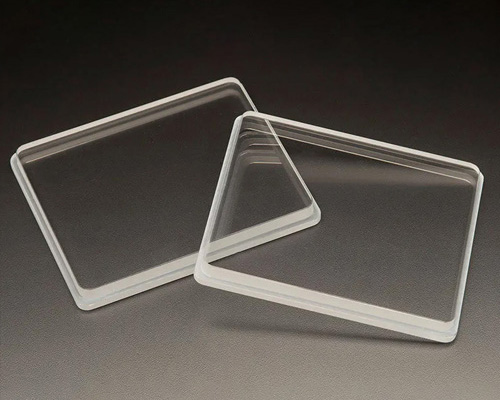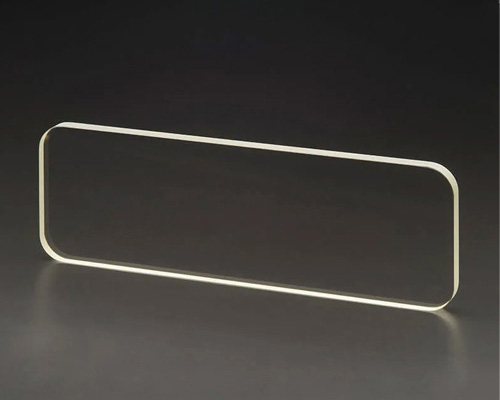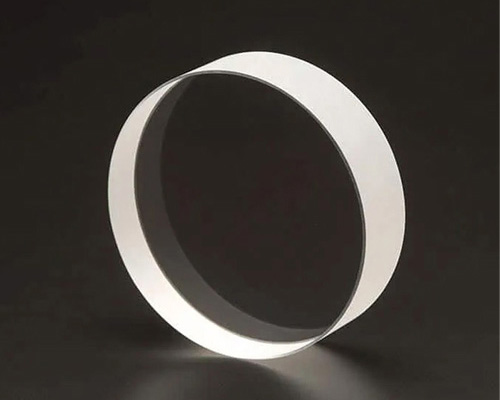

Sapphire Windows
- Home
- portfolio
- Optical Window
- Sapphire Windows
Sapphire Windows
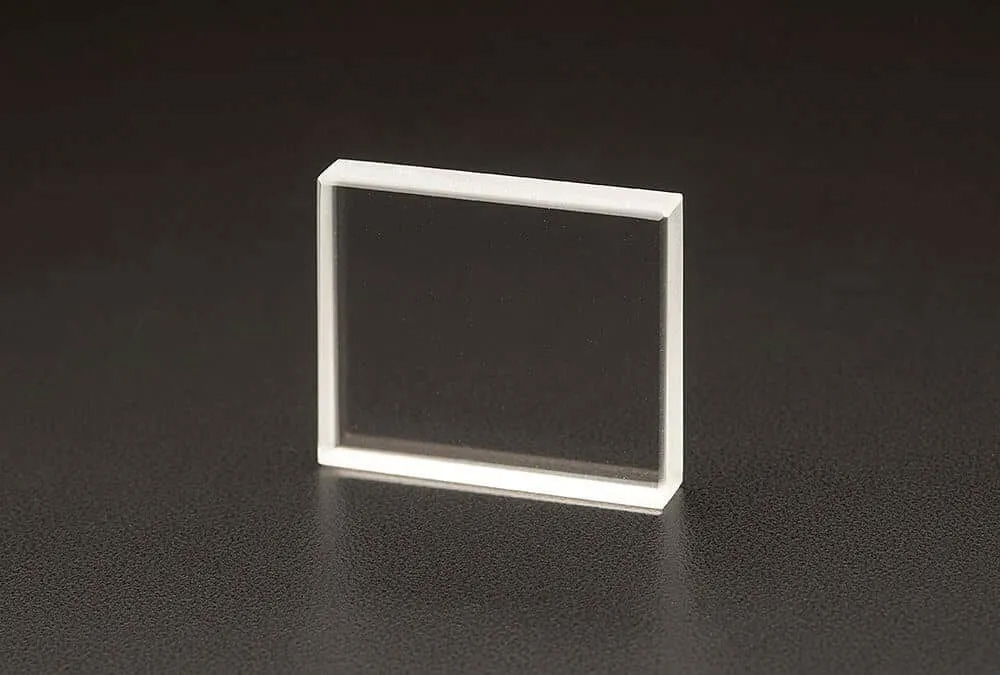
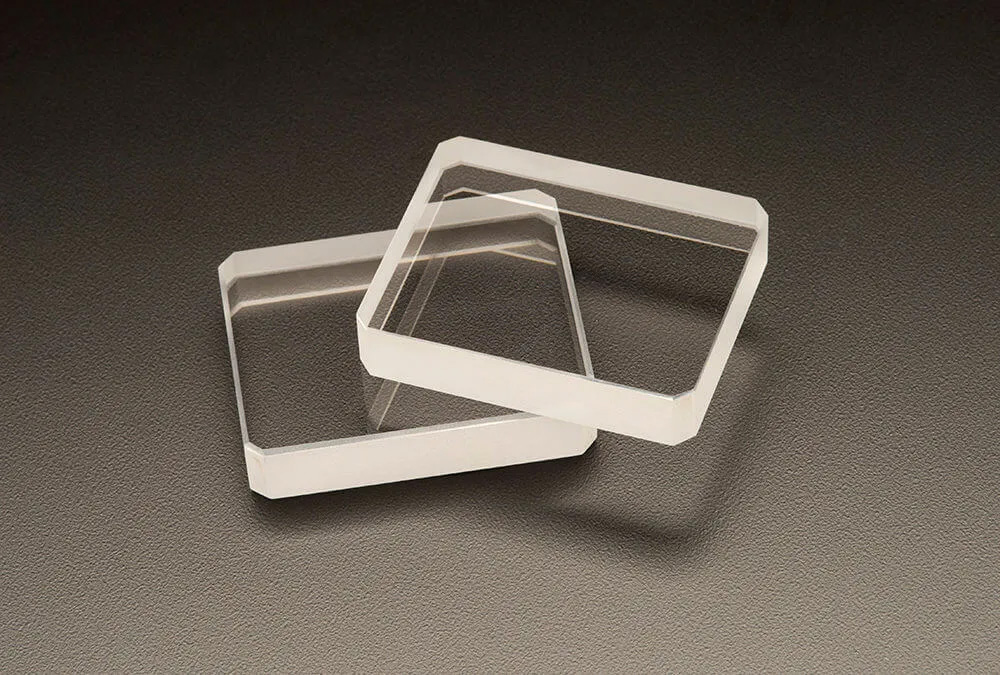
Sapphire optical windows are fabricated from single-crystal sapphire and are commonly selected for optical systems operating under conditions where mechanical load, thermal stress, and chemical exposure place limitations on conventional glass materials. In high-pressure environments, corrosive media, elevated temperatures, or applications involving continuous abrasion, sapphire provides a level of structural integrity and optical stability that standard optical glasses cannot sustain over time.
Star Optics manufactures sapphire windows designed to function as both an optical interface and a protective barrier between harsh external environments and sensitive internal components. Sapphire’s high hardness, chemical inertness, and wide spectral transmission range allow the window to maintain optical performance while supporting long-term system reliability in industrial, scientific, and aerospace applications.
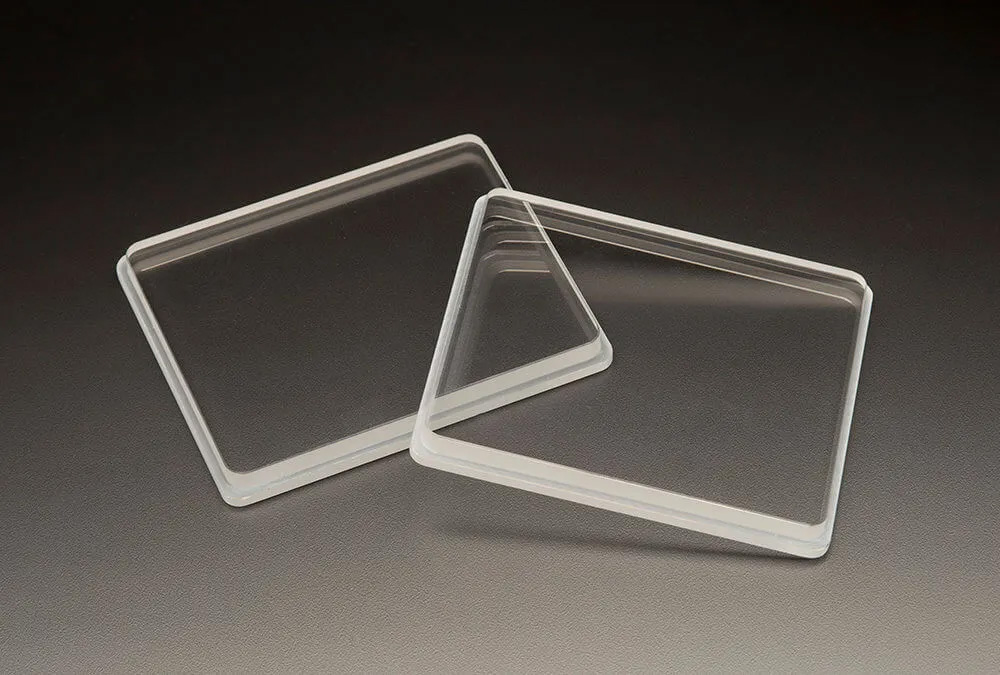
Why Sapphire Is the Preferred Material for Optical Protection
Unlike conventional optical glass or polycrystalline ceramics, sapphire is a single-crystal form of aluminum oxide (Al₂O₃). This crystalline structure gives sapphire a unique combination of optical transparency and mechanical robustness that cannot be achieved with standard glass substrates.
For systems where the optical window must also function as a load-bearing or sealing component—such as pressure vessels, vacuum chambers, or high-temperature housings—sapphire provides a reliable solution without compromising optical performance.
Optical Transmission and Mechanical Strength of Sapphire Windows
What distinguishes sapphire from standard optical substrates is its rare balance of optical performance and mechanical durability.
With a Mohs hardness of 9, sapphire offers exceptional resistance to scratching and surface wear, allowing the window to preserve surface quality and transmission even under abrasive or particle-laden conditions. This characteristic is critical for long-term stability in field-deployed systems, industrial sensors, and high-duty optical equipment.
From an optical perspective, sapphire provides stable transmission from the ultraviolet through the visible and into the near-infrared spectrum. Actual transmission efficiency depends on window thickness, surface quality, and coating design, allowing sapphire windows to be optimized for wavelength-specific applications without sacrificing structural integrity.
| Parameter | Custom Capability |
|---|---|
| Diameter / Length | 3 mm – 200+ mm |
| Thickness | 0.3 mm – 20 mm |
| Shape | Round, Square, Rectangular, Custom Geometry |
| Surface Flatness | Up to λ/10 @ 632.8 nm |
| Surface Quality (Scratch/Dig) | 40/20 standard, up to 10/5 available |
| Parallelism | ≤ 1 arcmin (tighter on request) |
| Edge Finish | Ground, Chamfered, Polished |
| Crystal Orientation | C-axis, A-axis, Custom orientation |
| Coating Options | Uncoated, Broadband AR, Laser-Line AR |
| Order Volume | Prototype to Volume Production |
Manufacturing Sapphire Windows
Making sapphire windows is harder than making glass windows because sapphire is a crystal. Our manufacturing process keeps quality consistent from small test orders to large production runs.
We start by controlling the crystal direction to manage how light passes through. Then we grind and polish both sides carefully to get the right flatness and surface quality without damaging the material underneath.
We check flatness and how the window affects light using testing equipment. Surface quality is checked across the whole clear area. We also check size accuracy, thickness, and edges to make sure the window fits properly in pressure chambers, vacuum systems, and sealed assemblies.
Crystal Direction and Surface Quality
For applications where light polarization matters, the crystal direction is important. Star-optics makes sapphire windows with C-axis, A-axis, or custom orientations for lasers and imaging systems that are sensitive to polarization.
Surface flatness, how parallel the two sides are, and scratch/dig quality are controlled based on what the optical system needs. This keeps light distortion low across the usable area. These controls matter most for laser windows and high-resolution sensors.
Applications of Sapphire Windows
Sapphire windows are widely used in applications where optical clarity must be maintained under extreme conditions, including:
High-pressure and high-temperature viewports
Laser systems and optical sensors
Semiconductor processing and vacuum equipment
Aerospace and defense optical systems